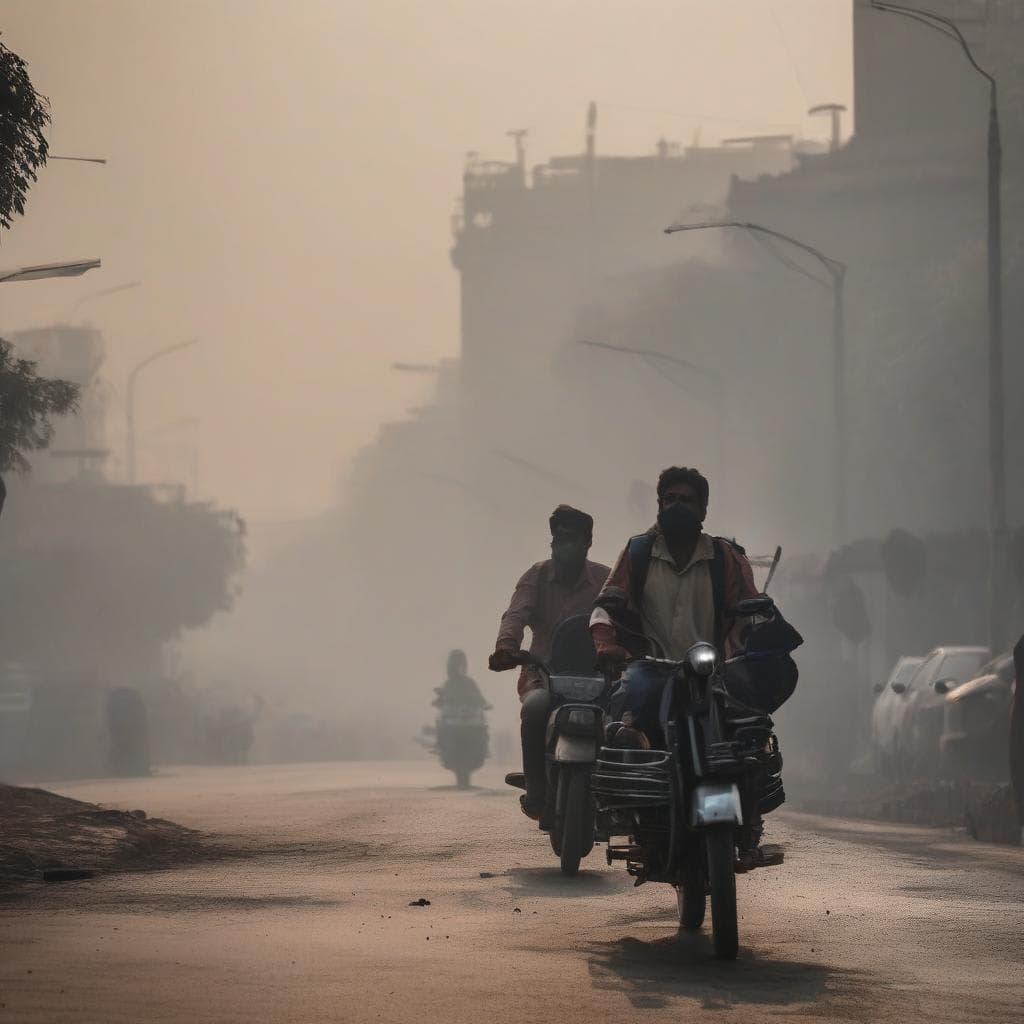
**The Silent Killer in the Subcontinent: Uncovering the Alarming Reality of Air Pollution in India** India, a land of vibrant cultures, breathtaking landscapes, and resilient people, is grappling with a crisis that threatens the very fabric of its existence. Air pollution, a silent killer that creeps up slowly, has become a pressing concern for the nation. The alarming reality of India pollution crisis is a stark reminder of the devastating impact of human activities on the environment. In this blog post, we'll delve into the causes, effects, and solutions of this pressing issue, and explore the ways in which India can rise above this challenge. **The Unseen Enemy: Causes of Air Pollution in India** Air pollution in India is a multifaceted problem, with various factors contributing to its severity. Some of the primary causes include: ### **Burning Fossil Fuels** The increased demand for energy in India has led to a surge in the burning of fossil fuels, particularly coal, which is used to generate electricity and power industries. The combustion of these fuels releases toxic pollutants, such as particulate matter (PM), nitrogen oxides (NOx), and sulfur dioxide (SO2), into the atmosphere, causing severe air pollution. ### **Vehicle Emissions** The growing number of vehicles on India's roads has significantly contributed to air pollution. The use of older vehicles, which do not meet modern emission standards, and the lack of effective public transportation systems have exacerbated the problem. ### **Agricultural Burning** The practice of burning crop residues after harvesting is a common practice in India. However, this practice releases large amounts of PM and volatile organic compounds (VOCs) into the atmosphere, contributing to air pollution. ### **Industrial Activities** India's growing industrial sector, particularly the cement and steel industries, has led to an increase in air pollution. The use of fossil fuels and other industrial processes releases pollutants into the atmosphere, causing severe air pollution. ### **Population Growth and Urbanization** India's rapid population growth and urbanization have put pressure on the country's infrastructure, leading to increased air pollution. The growth of cities has resulted in the construction of new buildings, roads, and industries, which have contributed to air pollution. **The Devastating Consequences: Effects of Air Pollution in India** Air pollution in India has severe consequences for human health, the environment, and the economy. Some of the effects include: ### **Respiratory Problems** Air pollution is a major cause of respiratory problems, including asthma, chronic obstructive pulmonary disease (COPD), and lung cancer. The poor air quality in India has led to a significant increase in respiratory-related illnesses and deaths. ### **Cardiovascular Diseases** Air pollution has also been linked to an increased risk of cardiovascular diseases, including heart attacks, strokes, and arrhythmias. The tiny particles in polluted air can damage the cardiovascular system, leading to these conditions. ### **Environmental Degradation** Air pollution has severe environmental consequences, including acid rain, soil degradation, and loss of biodiversity. The pollutants released into the atmosphere can also affect crops, leading to reduced yields and lower quality produce. ### **Economic Burden** Air pollution imposes a significant economic burden on India, estimated to be around 8.5% of its GDP. The costs associated with air pollution include healthcare expenses, lost productivity, and damage to infrastructure. **Rising Above the Crisis: Solutions to Air Pollution in India** While the situation may seem dire, there are solutions to air pollution in India. Some of the effective measures include: ### **Transition to Renewable Energy** India can transition to renewable energy sources, such as solar and wind power, to reduce its dependence on fossil fuels. This can be achieved through government policies, such as tax incentives and subsidies, to encourage the adoption of renewable energy. ### **Improving Public Transportation** India can improve its public transportation systems, including expanding metro networks, promoting cycling, and encouraging the use of electric vehicles. This can reduce the number of private vehicles on the road, leading to decreased air pollution. ### **Promoting Sustainable Agriculture** India can promote sustainable agriculture practices, such as the use of organic farming methods and crop rotation, to reduce the amount of pollutants released into the atmosphere. ### **Enforcing Emissions Standards** India can enforce stricter emissions standards for vehicles and industries, ensuring that they meet modern pollution control norms. ### **Creating Green Spaces** India can create more green spaces, such as parks and gardens, to absorb pollutants and improve air quality. ### **Public Awareness and Education** India can raise public awareness about the dangers of causes of air pollution in India, through campaigns and educational programs, to encourage individuals to take action to reduce their impact on the environment. **Conclusion** Air pollution in India is a pressing concern that requires immediate attention. The causes, effects, and solutions outlined in this blog post highlight the need for urgent action to address this crisis. By transitioning to renewable energy, improving public transportation, promoting sustainable agriculture, enforcing emissions standards, creating green spaces, and raising public awareness, India can rise above the air pollution crisis and create a healthier, more sustainable future for its citizens. **References** * World Health Organization (2018). Air pollution and health in India. * Central Pollution Control Board (2020). Air quality management in India. * International Energy Agency (2020). India's energy policy review. **Note**: The references provided are a selection of credible sources and are not an exhaustive list of all relevant studies and reports on air pollution in India.
The Devastating Impact of Air Pollution in India: Causes, Effects, and Sustainable Solutions
India is facing a critical air pollution crisis, with far-reaching consequences for its people and the environment. This article delves into the causes, effects, and offers solutions to mitigate this issue.

LALIT SAINI
Mar 18, 2026·5 min read·20 views
Advertisement
Advertisement
About the Author
LALIT SAINI
View all articles →Community Thoughts
0 commentsYou must be signed in to join the conversation.